
Eye health often finds itself near the top of health concerns, and for good reason. The eyes are our windows to the world, offering us the ability to perceive and interact with our surroundings. As we age, preserving vision becomes essential to maintaining independence, mobility, and overall quality of life.

Among the many nutrients vital for healthy eyes, Vitamin E stands out due to its remarkable antioxidant power. You have probably seen it listed on supplement bottles, but Vitamin E is far more than a common add-on. It plays a crucial role in protecting the body’s cells—including the delicate tissues of the eyes—from oxidative damage.
This connection is more than just general wellness wisdom. The eyes are especially susceptible to oxidative stress, a condition in which unstable molecules called free radicals damage cells. With aging, environmental exposure, and declining antioxidant defenses, this damage can accumulate quickly. Vitamin E helps counter this process, acting as a guardian nutrient that supports eye health and long-term vision preservation.
In this post, I will break down exactly how Vitamin E works, whether it truly improves eyesight, why it is so important for seniors, and how to incorporate it into a healthy routine. By understanding the role of Vitamin E, you can better support your vision for years to come.
Understanding Vitamin E: What It Is and How It Works
Vitamin E isn’t a single vitamin but rather a group of fat-soluble antioxidants that occur in various forms. These components work collectively to fend off the damage caused by oxidative stress—a concern for many parts of the body, but especially for the eyes.
The two main types of Vitamin E you will hear about are tocopherols and tocotrienols. Each plays a unique role in maintaining cell health and ensuring that harmful free radicals don’t wreak havoc.
The antioxidant properties of Vitamin E are its standout feature. These antioxidants neutralize free radicals—unstable molecules that can damage cells and accelerate aging if left unchecked. Because the eyes are particularly susceptible to oxidative damage, Vitamin E acts as a shield, preserving vision and potentially supporting overall eye function.
This protective role helps maintain the integrity of cell membranes, particularly in the eyes, where delicate tissues require far more care. Without these protective actions, the risk of developing various eye-related conditions increases significantly.
Why Vitamin E Matters for Eye Health
Free radicals accumulate naturally through metabolism, but environmental factors—such as sunlight, pollution, smoking, and aging—accelerate their production. When free radicals overwhelm the body’s defenses, they trigger oxidative stress that damages tissues and speeds up aging.
The eyes are particularly vulnerable because:
- They are constantly exposed to light and oxygen.
- Retinal tissue has a high metabolic rate.
- Aging reduces the body’s natural antioxidant protection.
Because of this, Vitamin E acts as a first line of defense. It
- Neutralizes free radicals before they damage eye cells
- Protects photoreceptors in the retina
- Preserves the clarity of the eye’s lens
- Supports healthy blood vessels within the eye
- Maintains the integrity of cell membranes
This protective mechanism helps prevent cellular aging and reduces the risk of developing a range of eye-related conditions.
Understanding how Vitamin E works equips us to make informed choices about diet and supplementation, ensuring the eyes receive proper long-term protection.
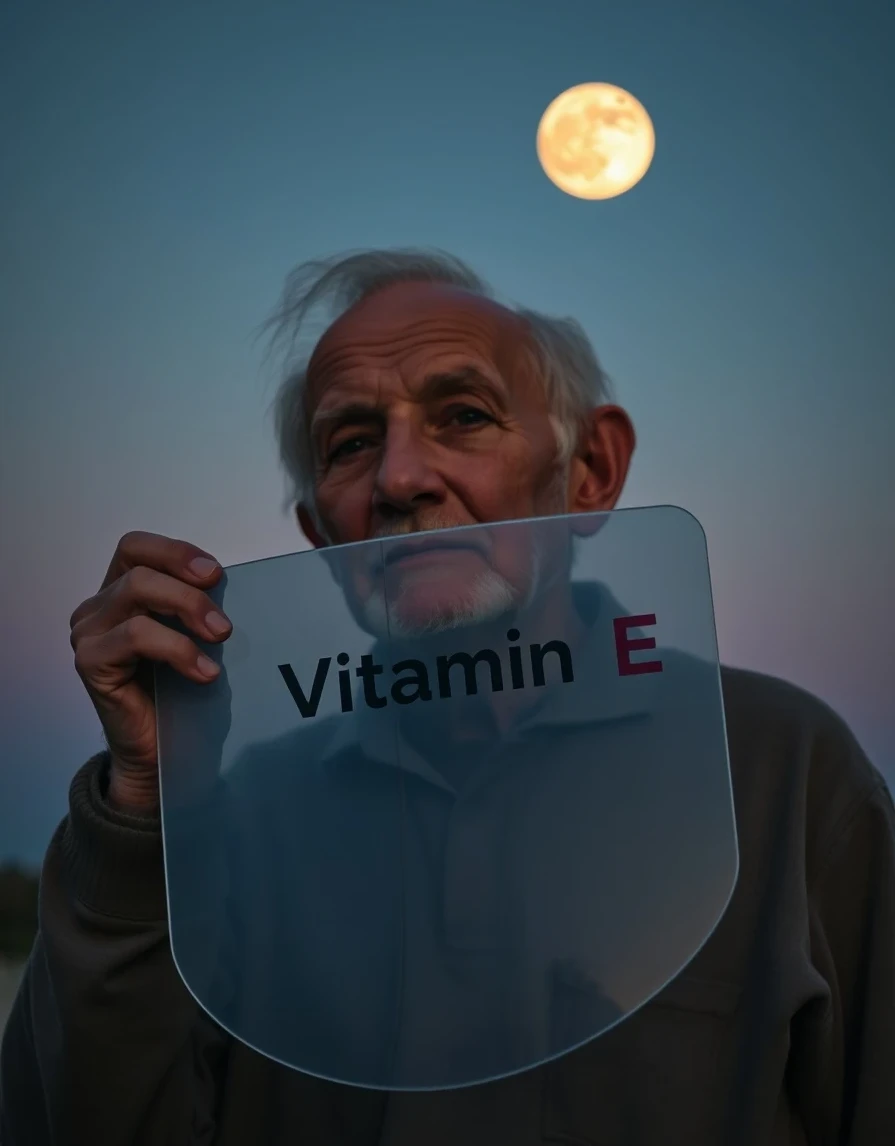
Does Vitamin E Enhance Eyesight? Analyzing the Evidence
Many people wonder if taking a Vitamin E supplement can sharpen their vision overnight. It’s a tempting thought, but current science tells a different story.
Vitamin E does not directly sharpen vision—but it helps preserve and protect it.
Research consistently shows that while Vitamin E won’t instantly enhance visual acuity or correct vision problems, it does play a significant role in:
- Reducing oxidative stress that leads to vision decline
- Slowing the progression of age-related eye diseases
- Supporting overall eye function
Think of Vitamin E less as a quick fix and more as a long-term investment in eye health
What the Research Says
Evidence indicates that Vitamin E’s primary role is protection and not directly enhancing eyesight. It helps preserve existing vision by shielding eye cells from oxidative damage.
Research shows promise in preventing the worsening of certain eye conditions. For example:
- Vitamin E may help slow cataract progression, especially when combined with other antioxidants.
- In major eye health trials, Vitamin E helped reduce the risk of advanced age-related macular degeneration (AMD) when paired with vitamins C, beta-carotene, and zinc.
- Vitamin E deficiency has been linked to retinal degeneration and impaired vision over time.
Despite these benefits, Vitamin E alone is not a magic ingredient for improved eyesight. A balanced diet, protective eyewear, and routine eye exams contribute significantly to long-term vision health.
Clearing Up Misconceptions
Myth: Vitamin E can restore lost vision.
Reality: It protects existing vision but cannot reverse structural eye damage.
Myth: High doses of Vitamin E will boost eyesight.
Reality: More is not better as excess can be dangerous.
In summary, Vitamin E supports better long-term eye function by limiting damage and not by improving eyesight directly.
The Importance of Vitamin E for Elderly Eye Health
As we age, our eyes face increased challenges, with age-related conditions becoming more prevalent. Older adults often encounter the following issues:
- Declining vision
- Cataracts
- Glaucoma
- Dry eyes
- Macular degeneration
- Reduced night vision

In these cases, Vitamin E’s protective qualities play a vital role. As the body ages, oxidative stress escalates, making older eyes especially vulnerable. Vitamin E helps safeguard aging eyes from cellular damage. It is more about preserving existing eye health than reversing age-related changes.
Why Vitamin E Is Particularly Important for Seniors
Vitamin E becomes especially valuable for older adults because it:
- Strengthens weakened antioxidant defenses
- Helps prevent cellular damage caused by aging
- Slows the progression of age-related eye diseases like AMD and cataracts
- Supports vascular and immune health, both essential for aging eyes
How Vitamin E Compares With Other Eye-Protective Nutrients
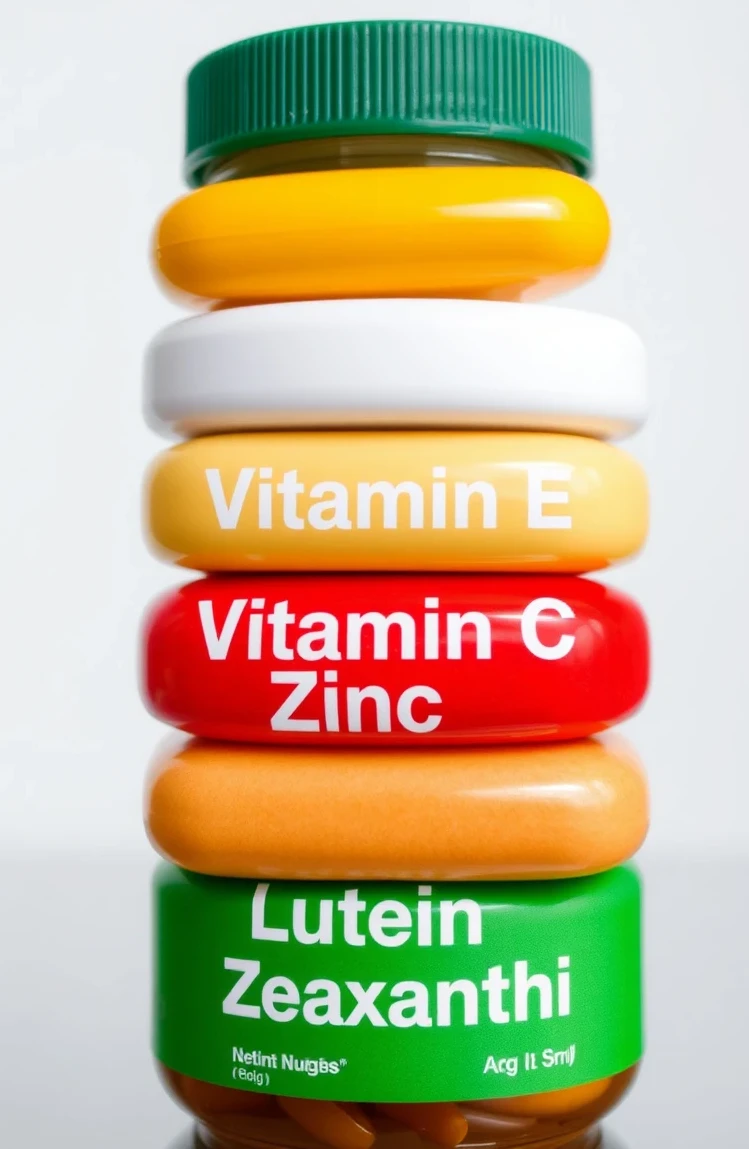
Vitamin E often works synergistically with other essential nutrients:
- Lutein & Zeaxanthin – Protect the macula and filter blue light
- Vitamin C – Regenerates Vitamin E and boosts antioxidant defense
- Vitamin A / Beta-carotene – Crucial for night vision
- Zinc – Supports retinal health and Vitamin A metabolism
- Omega-3 fatty acids – Support tear production and reduce inflammation
This combined nutrient approach offers more protection than Vitamin E alone.
Proactively supporting eye health with Vitamin E—through diet or supplements—helps lower the risk of severe eye diseases later in life. For seniors, Vitamin E works like an insurance policy, protecting the eyes from some of aging’s harshest effects.
Vitamin E and Age-related Macular Degeneration: Prevention and Maintenance
Age-related macular degeneration (AMD) is a major concern for older adults, especially those over 60. It is one of the leading causes of vision loss among seniors, affecting the central part of the retina responsible for detailed vision.
While Vitamin E cannot cure AMD, it can:
- Slow disease progression
- Reduce oxidative damage to retinal cells
- Support macular function
- Enhance the protective effect of other antioxidants
Studies show that Vitamin E is most effective for AMD when combined with nutrients like:
- Vitamin C
- Beta-carotene
- Zinc
- Copper
- Lutein & Zeaxanthin
These nutrients, often included in eye health supplements, are backed by strong research showing their ability to slow the degenerative processes associated with AMD.
Together, they help maintain macular health, filter damaging blue light, and protect the retina.
Incorporating Vitamin E into Your Routine for Optimal Eye Health
1. Start With Vitamin E–Rich Foods
Foods naturally rich in Vitamin E include:
- Almonds and sunflower seeds
- Peanuts and hazelnuts
- Spinach, Swiss chard, and kale
- Avocado
- Broccoli
- Olive, sunflower, and wheat germ oils
- Fortified cereals
Because Vitamin E is fat-soluble, consuming these foods with healthy fats improves absorption.
2. Consider Supplements When Needed
If your diet doesn’t consistently meet Vitamin E requirements, supplements can help fill the gap. However, always consult a healthcare professional, especially if you take medications or have underlying health conditions.
When choosing a supplement:
- Opt for natural Vitamin E (d-alpha-tocopherol)
- Avoid synthetic forms (“dl-alpha-tocopherol”)
- Choose products with third-party testing
- Consider formulas including complementary nutrients like Vitamin C, zinc, and lutein
3. Recommended Daily Intake
Most adults, including seniors, need:
15 mg (22.4 IU) of Vitamin E per day
While many people meet this amount through diet, some may have absorption challenges that require supplementation.
IU stands for International Unit, a unit of measurement for the biological activity of a substance like vitamins and hormones.
4. Practical Tips for Using Vitamin E
To support optimal eye health:
- Obtain most Vitamin E from whole foods
- Use supplements only where needed
- Pair Vitamin E with other eye-healthy nutrients
- Maintain lifestyle habits such as:
-
- Wearing UV-blocking sunglasses
- Staying hydrated
- Avoiding smoking
- Getting regular eye exams
Combined, these habits help strengthen overall eye health and maintain vision over time.
Vitamin E Supplements: Pros, Cons & Considerations
Pros:
- Fills dietary gaps
- Boosts antioxidant defenses
- Supports long-term eye health
Cons & Precautions:
- High doses can increase bleeding risk
- May interact with medications such as blood thinners
- Synthetic forms are less effective
When selecting a supplement:
- Choose natural Vitamin E (d-alpha-tocopherol) over synthetic (“dl-alpha-tocopherol”)
- Look for third-party testing
- Consider combination eye formulas that include Vitamin C, zinc, lutein, and omega-3s
Always consult a healthcare provider before adding supplements to your routine.
How to Use Vitamin E for Eye Health
Here’s the simplest approach:
- Get Vitamin E primarily through whole foods
- Use supplements when dietary intake is insufficient
- Pair Vitamin E with other eye-protective nutrients
- Maintain healthy lifestyle habits such as:
-
- Wearing UV-blocking sunglasses
- Staying hydrated
- Avoiding smoking
- Getting regular eye exams
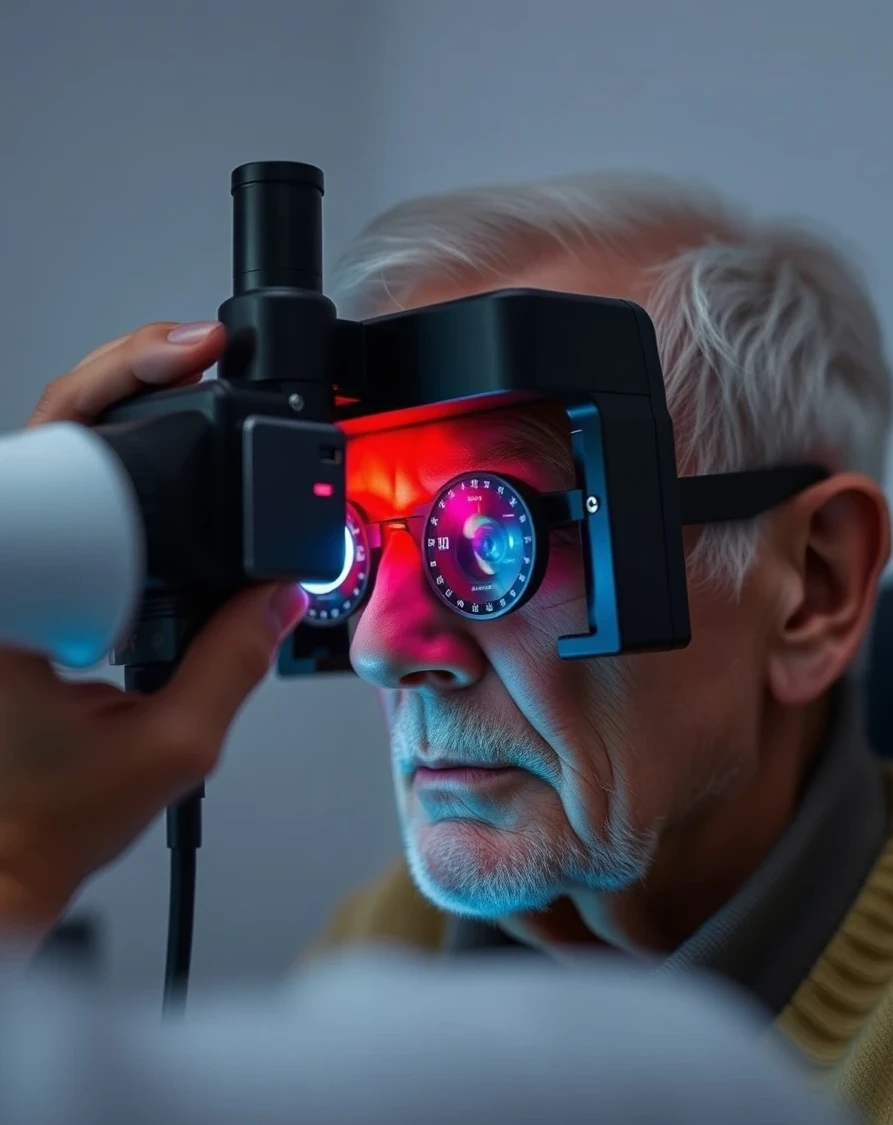
When combined, these habits strengthen your overall eye health and protect your vision over time.
Conclusion: Vitamin E as a Key Tool in Preserving Senior Vision
Vitamin E may not directly sharpen eyesight, but its role in protecting, preserving, and supporting long-term vision is undeniable, especially for seniors. From combating oxidative stress to slowing the progression of age-related diseases like AMD and cataracts, Vitamin E is one of the most valuable nutrients in your eye-health toolkit.
To summarize the key questions:
- Does Vitamin E help improve eyesight?
Not directly—but it helps preserve and protect your vision long-term. - Why is Vitamin E important for the elderly?
It combats age-related oxidative stress and supports healthier aging eyes. - What vitamins are good for aging eyes?
Vitamin E, Vitamin C, Vitamin A/beta-carotene, lutein, zeaxanthin, zinc, and omega-3s. - Which vitamin reduces AMD risk?
A combination of Vitamin E, Vitamin C, zinc, lutein, and zeaxanthin has the strongest evidence. - How do you use Vitamin E for the eyes?
Through a Vitamin E–rich diet, proper supplementation, and supportive eye-healthy habits.
By prioritizing Vitamin E alongside other protective nutrients, seniors can take meaningful steps toward maintaining clearer, healthier vision and enjoying a higher quality of life for years to come.
{ “@context”: “https://schema.org”, “@type”: “Article”, “mainEntityOfPage”: { “@type”: “WebPage”, “@id”: “https://foreveryoungsupplements.com/the-role-of-vitamin-e-in-eye-health-and-vision-preservation-in-seniors” }, “headline”: “The Role Of Vitamin E In Eye Health And Vision Preservation in Seniors”, “description”: “A comprehensive guide on how Vitamin E supports senior eye health, its antioxidant role, its connection to macular degeneration, and how to use Vitamin E through diet and supplements.”, “image”: “https://foreveryoungsupplements.com/wp-content/uploads/2024/01/vitamin-e-eye-health.jpg”, “author”: { “@type”: “Person”, “name”: “Your Name”, “url”: “https://foreveryoungsupplements.com” }, “publisher”: { “@type”: “Organization”, “name”: “Forever Young Supplements”, “logo”: { “@type”: “ImageObject”, “url”: “https://foreveryoungsupplements.com/wp-content/uploads/2024/01/logo.png” } }, “datePublished”: “2025-01-20”, “dateModified”: “2025-01-20”, “articleSection”: [ “Introduction”, “Understanding Vitamin E”, “Does Vitamin E Improve Eyesight?”, “Vitamin E for Elderly Eye Health”, “Vitamin E and Age-related Macular Degeneration”, “How to Use Vitamin E for Eye Health”, “Conclusion” ], “keywords”: [ “Vitamin E”, “eye health”, “senior vision”, “age-related macular degeneration”, “AMD prevention”, “vision preservation”, “antioxidants for eyesight”, “vitamins for aging eyes” ] }
Great article — really clearly written and highly relevant. I especially like how you explain that Vitamin E isn’t portrayed as a magic fix, but as a “guardian nutrient” that helps neutralize free radicals and supports eye cell integrity over time. The emphasis on combining Vitamin E with a healthy diet, lifestyle habits, and other antioxidants feels very balanced.
It got me thinking: have you come across any recent clinical studies that looked specifically at Vitamin E supplementation alone — without additional nutrients — and its effect on risk of eye diseases like cataracts or Age-Related Macular Degeneration (AMD)?
Thanks so much for the thoughtful comment and really glad you identified with the “guardian nutrient” framing.
Regarding your question: the most recent clinical evidence looking at vitamin E on its own hasn’t shown a clear protective effect against AMD or cataracts. Large randomised trials using vitamin E alone (typically 400–600 IU/day) found no significant reduction in the development or progression of AMD, and meta-analyses show a similar pattern for cataract – dietary vitamin E intake may be associated with lower risk, but supplementation by itself hasn’t demonstrated consistent benefits.
Most of the protective effect seen in eye-health research seems to come from combined antioxidant formulas (like the AREDS/AREDS2 studies) rather than vitamin E in isolation.
That’s why, as you noted, the overall picture points toward vitamin E as a supportive nutrient — best used as part of a broader dietary and lifestyle approach rather than a standalone intervention.
I am happy to cite a few of the major clinical trials and analyses that looked at vitamin E supplementation alone and its effects on eye-disease risk:
In a large randomized trial of ~39,900 women (600 IU natural-source vitamin E on alternate days for ~10 years), there was no significant difference in risk of visually-significant Age-Related Macular Degeneration (AMD) between vitamin E and placebo (RR 0.93; 95% CI 0.72–1.19)
Vitamin E and Age-related Macular Degeneration in a Randomized Trial of Women,
Julie.E. Buring et al.,
Ophthalmology. 2010 Feb 13;117(6):1163–1168In a randomized controlled trial (the Vitamin E, Cataract and Age-Related Maculopathy Trial, or VECAT) — 500 IU vitamin E daily for 4 years in people aged 55–80 — vitamin E did not reduce incidence or progression of age-related cataract
Vitamin E supplementation and cataract: randomized controlled trial
Ophthalmology, 2004 Jan;111(1):75-84. doi: 10.1016/j.ophtha.2003.04.009