
Your Essential Guide to Staying Healthy in the Colder Months
By a London senior who has learned first hand why winter nutrition matters !
Winter has a character all its own here in London and i am sure it is similar in many parts of the world. The cold settles into your bones, the skies turn that familiar grey, and the sun seems to clock out early each afternoon. As someone now in my senior years, I have noticed how each winter feels a little more demanding. A few years ago, I started coming down with colds far more often than I used to. What used to be a simple sniffle could now turn into a lingering chesty cough, and my energy wasn’t quite bouncing back the way it once did.
Winter had started knocking more loudly on my door.

I kept wondering: Why is my body suddenly finding winter so difficult?
That question eventually led me down the path of learning just how essential nutrients, especially certain vitamins, become as we grow older. I discovered these “little helpers” we call vitamins can make a profound difference in how well we get through cold months.
As we age, our bodies aren’t quite as efficient at absorbing nutrients from food alone. Pair that with shorter daylight hours, the drop in sunlight, the cold weather, and the natural slowing of some of our biological systems, and suddenly winter becomes a season when deficiencies can creep in much more easily. Everything from our mood, to our energy, to our immune system can feel the effects.
The good news? With the right support, winter doesn’t have to feel like an uphill battle. In this guide, I will share the essential vitamins and nutrients that can help seniors stay healthy, warm, energised, and resilient during the colder months, based on both research and personal experience.
Winter is here, and for those of us in our golden years, it is crucial to pay attention to how our bodies handle these chilly months. Vitamins are like little helpers that keep everything running smoothly, especially when the frost comes nipping at our noses. As we age, our bodies aren’t as efficient at absorbing nutrients, making it even trickier to get what we need from just our meals.
Let’s face it, the cold weather doesn’t do us any favors, and the shorter daylight hours cut back on some vital vitamin boosting sun. This puts us at risk for deficiencies that can affect everything from our mood to our immune system. Luckily, by focusing on the right vitamins, we can help keep the winter blues at bay and stay active and healthy.

For seniors, key vitamins during winter aren’t just about topping up what’s missing. They play a role in maintaining overall well being. Vitamins like D and C become particularly important, helping with calcium absorption and boosting our defence against colds.
Getting to know what your body needs and how it changes over time can set you on the path to winter wellness. This means looking into supplements or fortified foods to ensure you are getting exactly what you need. After all, being proactive with your health is one of the best things you can do to make sure you enjoy everything winter has to offer, minus the sniffles.
Why Seniors Need Extra Nutritional Support During Winter
Winter is demanding for everyone, but especially for older adults. Age naturally brings changes to our bodies, and these changes influence how we handle cold, stress, reduced sunlight, and seasonal viruses.
Here are some of the main reasons seniors need more targeted nutritional support when winter arrives:
Reduced Nutrient Absorption
As we grow older, our digestive system becomes less efficient. This means that, even with a balanced diet, the body may struggle to absorb certain vitamins, especially Vitamin B12 and Vitamin D.
Limited Sunlight
In the UK, winter sunlight is weak and scarce.

Our bodies make Vitamin D from sunlight, so these darker months significantly impact our natural levels. The UK NHS (National Health Service) even recommends daily Vitamin D supplementation in autumn and winter for everyone and I would say older adults may need it all year round.
Lower Immune Function
The immune system naturally weakens with age, making it harder to fend off viruses like colds and flu. Winter brings a higher risk of illness, and vitamin deficiencies make these infections more likely and harder to recover from.
Slower Metabolism and Circulation
Aging often comes with reduced metabolic rate and poorer circulation, which can make seniors feel colder than others. Certain nutrient deficiencies, like B12 and Iron, can make this sensation even worse.
Appetite Changes
Appetite often declines with age, and in winter we tend to crave “comfort foods” rather than fresh, nutrient dense meals. This can further reduce vitamin intake.
Understanding how winter affects the senior body is the first step. The second is knowing which vitamins support these changes most effectively.
The Top Vitamins Seniors Should Prioritise in Winter
Cold weather calls for a little extra care when it comes to vitamin intake, especially for seniors. With the winter months bringing shorter days and less sunshine, it’s easy for our vitamin supply to dip, and that can make us feel a bit under the weather. A few essential vitamins can make all the difference.
Vitamin D tops the list when it comes to winter must-haves. It’s a powerhouse for bone health and immune support. Plus, since we can’t soak up much sun during these cold months, a supplement often becomes necessary to keep our levels where they should be.
Another superstar is Vitamin C. Packed with immune-boosting properties, it’s like your body’s natural shield against colds and flu. It also helps with the absorption of Iron, which is another nutrient to keep an eye on, especially if you’re feeling a bit chilly all the time.
And let’s not forget Omega-3s. They play a vital role in maintaining heart health and keeping inflammation at bay, which can sometimes become a concern in winter. You can find Omega-3s in fatty fish like salmon, but supplements can offer a handy alternative if fish isn’t your thing.
When you’re picking out these supplements, it’s a good idea to chat with your healthcare provider. They’ll help you figure out the right doses and make sure none of them clash with any meds you take. It’s all about crafting a game plan that keeps you thriving all winter long.
Before we explore each nutrient in depth, here is a quick overview of the vitamins most important for winter wellness:
Winter Vitamin Essentials for Seniors
- Vitamin D — immunity, bones, muscles, mood
- Vitamin B12 — cognitive function, nerves, blood cells
- Vitamin C — immune support, antioxidant protection
- Zinc — infection defence and wound healing
- Omega-3 — heart health, inflammation, joint comfort
- Iron — circulation, warmth, energy (if deficient)
- Magnesium — sleep quality, stress support, muscle function
These nutrients support the body’s natural defences and help correct the deficiencies that are particularly common during the colder months.
Vitamin D: A Winter Essential (and a Year-Round Lifesaver)
If there’s one vitamin that deserves the spotlight during winter, it’s Vitamin D. Often called the “sunshine vitamin,” it plays an enormous role in keeping seniors healthy. And since London isn’t exactly famous for bright winter sunshine, supplementation becomes especially important.
Why Vitamin D Matters for Seniors
As we age, our skin becomes less efficient at synthesising Vitamin D from sunlight. Add in the limited daylight hours of winter and it’s easy to become deficient.
A deficiency in Vitamin D can contribute to:
- weaker immune function
- higher risk of respiratory infections
- bone density loss
- muscle weakness
- increased fall risk
- low mood or “winter blues”
For older adults, low Vitamin D levels can affect everything from mobility to emotional wellbeing.
Key Benefits of Vitamin D
- Supports calcium absorption for stronger bones
- Helps regulate immune response
- Improves muscle strength and balance
- Supports mental wellbeing, especially in dark winter months
- Reduces inflammation, easing joint discomfort

Recommended: See my top two Vitamin D products
Sources of Vitamin D
- sunlight (limited in winter and less effective for seniors)
- oily fish
- egg yolks
- fortified cereals or plant milks
- Vitamin D3 supplements (most reliable for seniors)
Because natural sunlight is insufficient for most older adults during winter, supplements are often recommended as a dependable way to maintain healthy levels.
Vitamin B12: The Premier Vitamin for Senior Health
While Vitamin D tends to dominate winter conversations, Vitamin B12 is equally essential for older adults all year round. In fact, if someone asks, “What is the number one vitamin for seniors?” the answer is frequently B12.
The Age-Related Challenge
With age, the stomach produces less acid, making it harder to absorb B12 from food. Many seniors, and especially those on plant base diets or taking medications for diabetes or heartburn, are at higher risk of deficiency.
Symptoms of Low B12 Can Include:
- memory lapses
- brain fog
- tingling in hands or feet
- fatigue or weakness
- mood changes
- feeling cold more easily
These symptoms are often mistaken for “just getting older,” but they may simply be signs your body needs more B12.
Why B12 Is So Important
- Supports healthy brain function and cognitive clarity
- Protects nerve health
- Boosts energy by supporting red blood cell formation
- Aids metabolism, helping convert food into energy

Where to Get Vitamin B12
- eggs, dairy, meat, fish
- fortified plant milks and cereals
- sublingual B12 or oral sprays, which may absorb better
Because seniors often struggle with absorption, supplementation is a practical and effective way to maintain healthy levels.
Immune Boosting Vitamins for a Stronger Winter
The immune system naturally weakens with age, which means supporting it should be a priority throughout winter. Certain vitamins work particularly well in helping the body stay resilient against common seasonal viruses.
Vitamin C: The Winter Shield
Vitamin C is one of the most reliable and well known nutrients for strengthening immune function. It acts like your body’s protective shield, helping fight off infections and reducing the severity and duration of colds.
Benefits
- antioxidant protection
- improved wound healing
- better iron absorption (which helps with warmth and energy)

Recommended: See my top two Vitamin C Products
Sources
- citrus fruits
- peppers
- berries
- broccoli
- supplements for consistent intake
Zinc: The Infection Fighter
Zinc is crucial for proper immune function and plays an important role in helping the body recover from illnesses more quickly.
Benefits
- supports immune cells
- helps wounds heal
- works synergistically with Vitamin C
Sources include nuts, seeds, beans, and fortified cereals—or supplements for reliability.
Recommended: See my top two Zinc Products
Vitamin A: Respiratory Defense and Mucosal Health
While not as talked about, Vitamin A supports the membranes in the nose and lungs. This isthe body’s first line of defence against respiratory infections.
Sources include leafy greens, carrots, sweet potatoes, eggs, and dairy.
These three, combined with Vitamin D and B12, create a strong foundation for winter health and improved immune resilience.
Why Some Seniors Feel Colder: The Nutrient–Temperature Connection
Have you ever noticed that even when you are wrapped nicely in layers you are still feeling chilly while others seem perfectly comfortable?
As it turns out, feeling chilly all the time can be related to nutrient deficiencies and not just the thermostat controlling your home heating system.
Iron Deficiency
Iron helps produce red blood cells that transport warmth and oxygen throughout the body. Low iron can lead to:
- cold hands or feet
- pale skin
- fatigue
- difficulty regulating body temperature
Pairing iron rich foods with Vitamin C helps improve absorption.
Vitamin B12 Deficiency
B12 also plays a role in producing healthy red blood cells. Low levels can result in poor circulation, amplifying that chilly feeling.
Magnesium and B Vitamins
These support metabolism. When metabolism slows, the body naturally becomes less efficient at staying warm.
Practical Ways to Stay Warm Naturally
- Eat more iron rich foods like lentils, spinach, and fortified cereals
- Combine Vitamin C with meals to support iron absorption
- Keep active. The more you move, the warmer you will feel
- Discuss winter fatigue or unusual coldness with your GP
Understanding the nutritional–temperature link empowers seniors to manage winter comfort far more effectively.
Omega-3 and Additional Nutrients for Full Winter Support
Omega-3 Fatty Acids
Omega-3s are especially important for seniors in winter because they help with:
- joint stiffness
- inflammation
- heart health
- memory and brain function
- mood support
Many older adults don’t eat enough oily fish, making supplements a reliable option.
Recommended: See my top two Omega-3 and Fish Oil Products
Magnesium: The Sleep & Relaxation Mineral
Magnesium supports:
- better sleep
- muscle relaxation
- balanced mood
- lower stress
Sleep tends to become more interrupted with age, making magnesium a helpful winter companion.
Vitamin E for Skin & Circulation
Winter air dries out skin faster than you might expect. Vitamin E supports:
- skin repair
- hydration
- antioxidant protection
It can be beneficial whether consumed in foods (nuts, seeds, avocados) or via supplements.
Creating Your Personal Winter Vitamin Routine
Crafting your vitamin plan is much like tailoring a suit. You get the best results when the fit is personalised to you.

Speak with Your Healthcare Provider
This ensures your supplements won’t clash with any medications and that you’re choosing vitamins appropriate for your health history.
Focus on Food First, Supplements Second
Vitamins work best when combined with a balanced diet rich in:
- fruits & vegetables
- lean proteins
- whole grains
- healthy fats
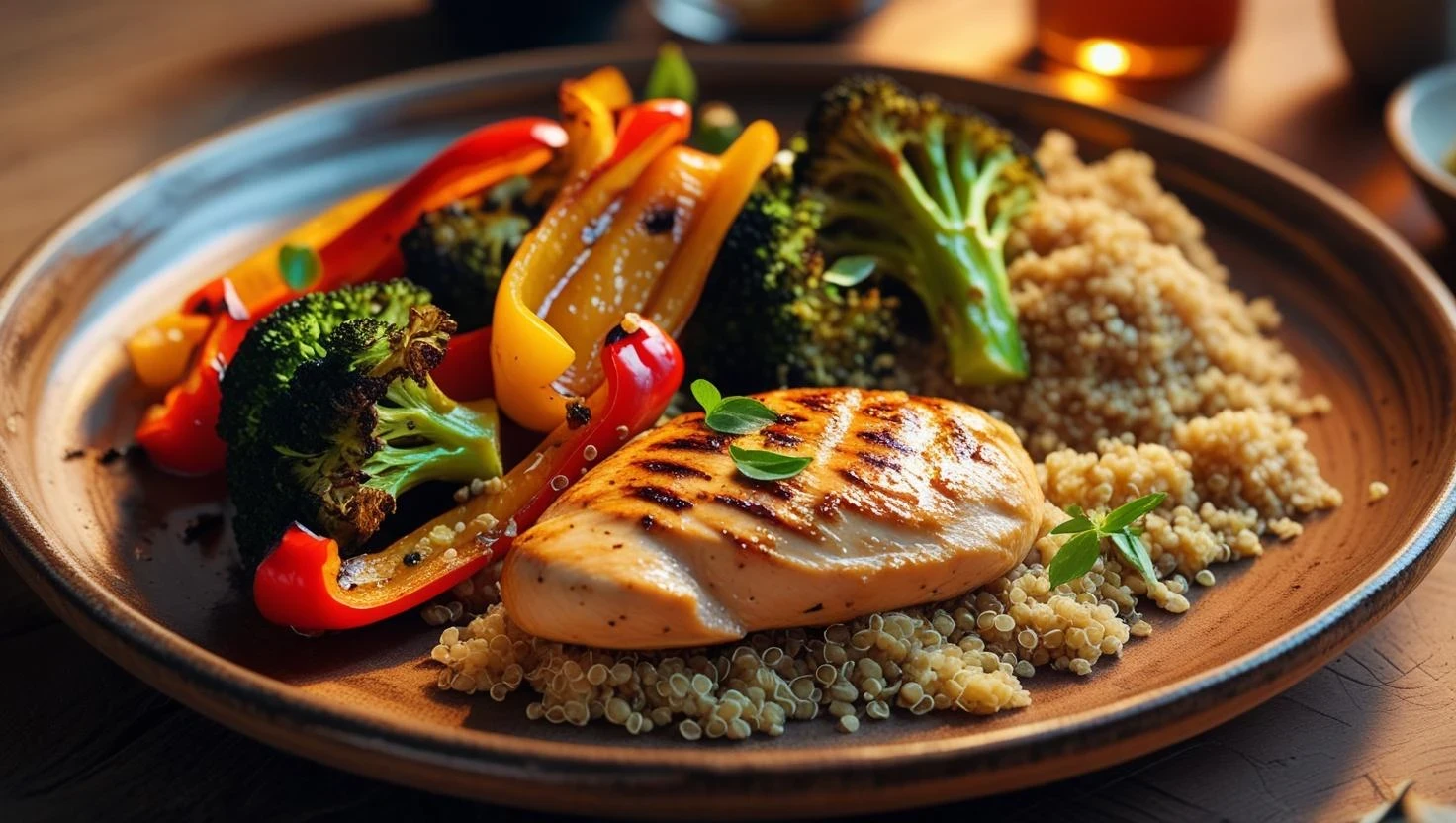
Think of supplements as the “supporting cast” that fills the nutritional gaps.
Stay Physically Active
Light activity—walking, stretching, or gentle exercise—improves circulation and helps your body use vitamins more effectively.
Maintain Healthy Daily Habits
- keep a regular sleep schedule
- get fresh air whenever possible
- manage stress with light mindfulness or breathing exercises
Good habits make your vitamin routine even more effective.
Conclusion: Winter Wellness Starts With The Right Support
Winter may be full of challenges, but with the right vitamin support, it can also be a season of strength, clarity, and improved wellbeing rather than fatigue or frequent illness.
As someone who has lived through many London winters, I can say from first hand experience that making simple, strategic changes to my nutritional routine made all the difference. Vitamin D boosted my mood and immunity, B12 sharpened my energy and focus, and supporting nutrients like Vitamin C, Zinc, and Omega-3 helped me feel more resilient all season long.
With a personalised approach based on your body’s needs, winter doesn’t have to feel so daunting. In fact, with the right support, you can embrace the season minus the sniffles.
FAQ Section
1. Why are vitamins especially important for seniors during winter?
As we age, our bodies absorb nutrients less efficiently, and winter adds challenges like reduced sunlight, lower immunity, and changes in appetite. These factors increase the risk of vitamin deficiencies, making supplements such as Vitamin D, B12, and C particularly helpful for maintaining energy, immunity, and overall wellbeing.
2. Which vitamins should seniors focus on most in winter?
Key winter vitamins for seniors include Vitamin D for immunity and bone strength, Vitamin B12 for energy and brain health, Vitamin C and Zinc for immune support, and Omega-3 for heart, joint, and mood benefits. Some seniors may also benefit from Iron and Magnesium depending on their individual needs.
3. How can seniors safely choose the right vitamin supplements?
The best approach is to speak with a healthcare provider, who can check for deficiencies and ensure supplements don’t interfere with medications. Combining a nutrient-rich diet with well-selected supplements offers the most reliable support during winter.
I read your article on the best winter vitamins for seniors and appreciated how you explain why nutrients like vitamin D, vitamin C, B12, zinc, and omega-3s matter more in colder months — especially when our bodies don’t absorb nutrients as easily and we get less sunlight. It makes sense that being proactive about nutrition can help keep energy up and immunity strong during winter.
I especially liked the personal tone from someone who has lived through many winters and can relate to how seasonal changes affect health — that kind of experience makes the topic feel more grounded.
I do wonder though: how should someone decide which supplements they really need versus ones they might not? Since too much of some vitamins can be risky for seniors, what signs or tests should we look for before starting supplements? I also think it would be helpful if you included some food-first suggestions — like seasonal fruits and vegetables — as a reminder that supplements should support, not replace, a balanced diet.
Overall, great effort to break down an important topic in a way that’s easy for everyday readers to understand! Thanks for sharing your insights.
Paul
Thank you so much Paul for your thoughtful feedback. I really appreciate you taking the time to read the article and share your insights.
You bring up an excellent point about choosing supplements wisely. Everyones needs can be quite different, so it is always best to start with a conversation with a healthcare provider. They can recommend simple blood tests, such as checking vitamin D or B12 levels, which will help identify whether supplementation is actually needed rather than guessing. This not only ensures you are getting the right support, but also helps avoid taking more than the body requires.
I also agree completely about the importance of a food first approach. This is actually mentioned in my article. Winter produce such as citrus fruits, berries, leafy greens, squash, and root vegetables can all provide valuable nutrients naturally, and supplements then serve as a useful “top-up” when diet or lifestyle makes it harder to meet certain needs.
Thanks again for highlighting these points. Your suggestions are much appreciate and will definitely help strengthen future updates to the article!