
Optimising Nutrient Support for Men: Evidence-Based Insights on Vitamins, Minerals and Lifestyle
Men’s health is influenced by a combination of genetics, hormones, and lifestyle choices. From maintaining muscle mass to supporting heart and reproductive health, men’s nutritional needs evolve with age.
This article explores what current research says about key nutrients, supplements, and lifestyle strategies — separating science-backed evidence from marketing hype.
Key Nutrients for Men – What the Evidence Says
Vitamin D

- Supports bone, immune and muscle function.
- Deficiency is common, especially in men with limited sun exposure or higher body fat.
- Research suggests links with improved sperm motility and erectile function, though evidence for boosting testosterone is weak.
- Obesity may blunt vitamin D’s effect, according to the Harvard-led VITAL study.
>>Takeaway: Aim for optimal vitamin D levels through sunlight, fortified foods, or supplements if deficient — but it’s not a testosterone booster.
Omega-3 Fatty Acids (EPA/DHA)

- Found in oily fish and fish-oil supplements.
- Associated with cardiovascular and brain benefits.
- Evidence suggests omega-3s help reduce inflammation and support endothelial (blood vessel) health.
>>Takeaway: One of the few supplements consistently backed by evidence for heart, brain, and vascular health — especially valuable if you eat little fish.
Zinc, Magnesium, Selenium & B-Vitamins
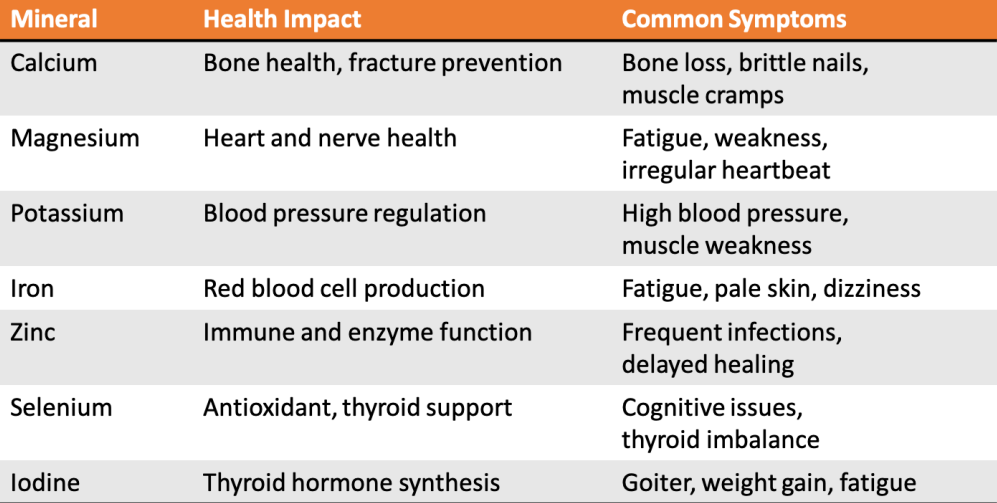
- Support testosterone synthesis, energy metabolism, and immune function.
- Deficiencies are linked to fatigue, low mood, and reproductive issues — but supplementation beyond adequacy offers limited benefit.
>>Takeaway: Correct deficiencies through diet or supplements, but avoid “high-dose vitality stacks” without clear need.
Multivitamins

- Provide broad nutrient coverage, but evidence for disease prevention is weak.
- Johns Hopkins review: multivitamins do not lower risk of heart disease or cancer.
>>Takeaway: A daily multivitamin may help fill small dietary gaps but can’t replace whole foods or lifestyle habits.
Lifestyle Synergy: How Nutrients and Habits Work Together
Exercise + Nutrition + Sleep = The Men’s Health Triad
- Resistance training boosts testosterone and preserves muscle mass.
- Protein and micronutrients enhance recovery.
- Sleep (7–9 hours) is critical for hormonal balance and repair.
Body Composition & Metabolic Health
- Men are more prone to visceral fat and metabolic syndrome.
- Diet quality, movement, and nutrient sufficiency (omega-3s, vitamin D) all help reduce risk.
Reproductive Health
- Sperm quality and testosterone are sensitive to stress, sleep, and nutrient status.
- Vitamin D and zinc may support fertility but results are mixed — lifestyle remains the foundation.
Nutritional Focus by Life Stage

Ages 20–40:
Peak performance and fertility
- Focus on protein, omega-3s, zinc, magnesium.
- Prioritise strength training and quality sleep.
Ages 40–60:
Maintenance and prevention
- Preserve muscle and heart health; monitor weight and blood pressure.
- Vitamin D, omega-3s and resistance training are key allies.
60+ Years:
Longevity and vitality
- Prevent frailty and bone loss with weight-bearing exercise.
- Ensure adequate protein, vitamin D, calcium, and omega-3s.
- Monitor prostate and cardiovascular health.
Evidence, Limitations & Safety
- Not all supplements deliver clinically meaningful benefits.
- Over-supplementation can cause harm (e.g. vitamin D toxicity, excess zinc suppressing copper).
- Quality and formulation matter — always choose third-party tested products.
Expert insight:
“The strongest evidence for men’s supplements lies in correcting real deficiencies — not chasing quick fixes.”
— Dr. Benjamin Johnson, University of Utah Health (2024)
Practical Takeaways
>> Diet First:
Eat whole foods rich in nutrients — oily fish, vegetables, legumes, whole grains, lean meats.


- Strength training 2–3× weekly.
- Regular aerobic activity.
- Stress management & sleep quality.
>> Supplement Smartly:
- Test vitamin D, omega-3 index, zinc/magnesium if unsure.
- Supplement only what you need, under guidance.
- Choose clean, science-driven brands — not marketing fads.
Conclusion
Men’s health optimization is about integration, not isolation. Supplements can bridge nutritional gaps, but true vitality comes from the daily habits that sustain hormone balance, cardiovascular resilience, muscle strength, and mental sharpness.
A science-backed, personalised approach — grounded in nutrition, exercise, and recovery — will always outperform any pill or powder.
References / Further Reading
- University of Utah Health: What Vitamins and Supplements for Men Actually Work?
- Vitamin D and Male Fertility – Review (PMC, 2020)
- Harvard Gazette: Weight Influences Vitamin D’s Benefits (2023)
- Johns Hopkins Medicine: Multivitamin Evidence Summary