
Mineral supplements play a vital role in senior health, providing essential nutrients to support daily functioning. Minerals, like calcium, iron, and magnesium, are often found naturally in foods, but sometimes, our diet may not provide enough, especially as we age. This is where supplements come into play.
For seniors, maintaining the right levels of minerals is crucial for maintaining strong bones, a healthy heart, and good overall energy levels. As we get older, our bodies might need a little extra help. Supplements can bridge this gap, ensuring our bodies still get the nutrients they need to thrive.
Some might wonder what exactly minerals are in vitamins and why they are important. Think of minerals as the body’s building blocks – tiny elements that help structure and power everything we do every day.
Getting the balance right is key, and this balance becomes even more important with age. Seniors might face unique challenges in maintaining this balance due to changing nutritional needs, making mineral supplements a helpful option.
Staying informed and understanding how these supplements can benefit your health is the first step towards maintaining a high quality of life as you age. With the right information, seniors can make informed decisions, choosing supplements that best meet their needs and support their health goals.
Understanding Minerals and Vitamins: A Basic Guide
When talking about minerals and vitamins, it’s all about teamwork. They often work in harmony to keep the body running at its best. But what do these terms actually mean? Well, vitamins are organic compounds your body needs in small quantities. Meanwhile, minerals are inorganic elements sourced from the earth that serve critical roles in various body functions.
Imagine vitamins as your body’s software, ensuring everything operates smoothly, whereas minerals are the hardware, giving structure and strength. Both are crucial, but they do different jobs. For example, vitamin D assists the body in absorbing calcium, a mineral, which strengthens your bones.
As we age, the ability to absorb these nutrients can decline. This change can mean that even with a decent diet, seniors might not get enough of these key components. Mineral supplements can step up here, providing a convenient way to top up on these crucial nutrients.
However, it’s not just about adding more to your diet. It’s about understanding which mineral and vitamin combinations work best for you. Everyone has unique needs, and certain combinations may be more beneficial based on individual health conditions.
Getting informed on this delicate balance helps seniors not just to survive but to thrive, making the everyday activities a bit easier and energies a bit higher. Engage with your healthcare provider, dive into your dietary needs, and seek that perfect balance of minerals and vitamins to keep things moving just right.
Functions of Minerals: Key Roles in Human Health
Minerals may be tiny, but they pack a significant punch when it comes to keeping our bodies in tip-top shape. These nutrients support numerous vital processes that help us function day in and day out.
According to data from the National Institutes of Health (NIH) and World Health Organization (WHO), seniors are particularly prone to the following deficiencies:
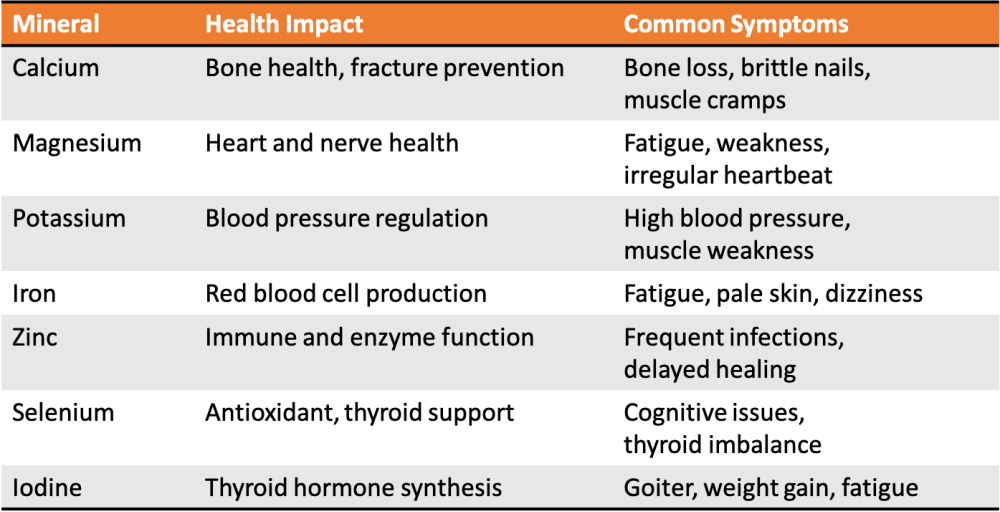
Let’s break down a few pivotal roles of minerals: Calcium, for instance, helps maintain not just strong bones and teeth but also aids in nerve signaling and muscle contraction. Magnesium is another mineral juggler, working to maintain muscle and nerve function, regulate blood pressure, and support immune health.
Seniors, specifically, benefit greatly from ensuring they have adequate mineral intake. As the body ages, bone density can decrease, muscles might not be as spry, and overall energy metabolism requires extra attention. Consuming the right amount of minerals through diet or supplements can help combat these age-related changes.
Take potassium as yet another critical mineral. It’s like the unsung hero of minerals, helping to balance fluids, send nerve signals, and regulate muscle contractions. Seniors often need more potassium to maintain a regular heart rhythm and promote cardiovascular health.
Understanding these mineral functions empowers seniors to take control of their health. Knowing what each mineral does will guide them in making informed decisions about their dietary needs, ensuring that their bodies remain fueled for all those golden years have to offer. Keeping the mineral balance can truly illuminate the path to better health.
Benefits of Mineral Supplements for Seniors
Mineral supplements can greatly enhance the well-being of seniors, especially when food sources aren’t enough to meet their changing nutritional needs. As we age, nutrient absorption can decline, making these supplements an essential part of maintaining health.
One clear benefit for seniors is the role of mineral supplements in filling nutritional gaps. With age, diets can often lack variety, whether due to dietary restrictions or simply lessened appetite. Supplements step in to make up the difference, supporting overall health.
For those experiencing fatigue or tiredness that just doesn’t seem to go away, mineral supplements can be a game-changer. Providing essential nutrients like iron and magnesium can dramatically boost energy levels, making daily activities more manageable and enjoyable.
Beyond energy, minerals also play a pivotal role in cognitive function. Magnesium, for instance, is known to support neurological health, potentially offering sharper memory and improved focus. Such benefits are invaluable in enhancing quality of life and independence for seniors.
Adequately managed mineral intake helps in maintaining strong bones and preventing conditions like osteoporosis. This is particularly crucial in avoiding falls and fractures, helping seniors enjoy more freedom and an active lifestyle.
Seeking advice from healthcare providers ensures that supplements are used effectively and safely, tailored to individual needs, without overdoing it. This personalized approach allows seniors to truly harness the benefits of mineral supplements and maintain a vibrant, active life.
Potential Risks and Side Effects of Taking Mineral Supplements
While mineral supplements offer plenty of benefits, it’s also important to be aware of potential risks and side effects. Taking these supplements without proper guidance can sometimes lead to unintended health issues.
Overconsumption is a primary concern. Loading up too heavily on certain minerals can lead to toxicity or imbalances. For instance, too much iron might cause digestive issues or, in extreme cases, more serious health problems. That’s why keeping track of intake is crucial.
Some minerals might interact with medications, affecting how they work or increasing side effects. Calcium, for example, can interfere with the absorption of certain medications. Seniors should always discuss supplements with their healthcare provider to avoid these complications.
Then there’s the issue of impurities in some supplements. Not all products are created equal, and some might contain unwanted additives or even heavy metals. Choosing high-quality brands with good reviews and clear labeling is important for safety.
In addition, it’s worth noting that symptoms like upset stomach, headaches, or changes in bowel movements can occur as your body adjusts to new supplements. Monitoring these symptoms and seeking medical advice if they persist, provides peace of mind and ensures safe usage.
Ultimately, the key is to approach mineral supplements with a balanced strategy. Working closely with healthcare professionals ensures that the benefits are maximized while minimizing any potential downsides, creating a safe and effective supplement regimen tailored to individual health needs.
Top Three Essential Minerals for Seniors
Calcium, magnesium, and potassium are the big players when considering essential minerals for seniors. These three are crucial for maintaining overall health and supporting key bodily functions.
Calcium is well-known for its role in building and maintaining strong bones and teeth. As bone density declines with age, ensuring adequate calcium intake becomes even more critical. A lack of calcium can lead to osteoporosis, increasing the risk of fractures. For those who find it hard to get enough from their diet, especially when dairy intake is limited, supplements can help fill that gap effectively.
Magnesium comes next, playing a role in over 300 enzyme systems that regulate biochemical reactions in the body. It’s essential for muscle function, energy production, and maintaining a stable mood, which is particularly important for seniors to maintain a lively, balanced lifestyle.
Potassium ranks high among the necessary minerals, helping to keep the heart healthy and muscles functioning properly. It also plays a key part in balancing fluids and keeping blood pressure in check. Potassium is often at risk of being deficient in senior diets, so being mindful of its intake is crucial.
Eating a varied diet with vegetables like leafy greens, fruits such as bananas, nuts, seeds, and dairy helps ensure a daily dose of these minerals. However, when diet alone doesn’t cover all bases, supplements provide a helpful safety net to ensure needs are met.
Discussing these mineral needs with a healthcare provider is essential, in my opinion, and ensures personalized recommendations that factor in individual health conditions, making sure that each senior gets precisely what they need to thrive.
Conclusion: Making Informed Choices on Mineral Supplements
Informed decision-making is crucial when it comes to choosing mineral supplements. With so many options available, it’s important to find the right balance that aligns with individual health needs.
Personalized nutrition, especially for seniors, means recognizing unique dietary needs and addressing them accordingly. This personalized approach can elevate energy, improve overall well-being, and sustain independence in daily activities.
Healthcare providers play a major role in guiding supplement choices. Open discussions about dietary habits, lifestyle, and health goals help in tailoring a supplement plan that best suits individual needs.

Exploring future trends and keeping abreast of the latest research can also offer insights into how mineral supplements may evolve to better serve senior health. As research progresses, more targeted and effective supplements might become available, offering even greater health benefits.
In navigating the world of supplements, being proactive, staying informed, and constantly engaging with health professionals ensures that seniors receive the most benefit, positioning them for a healthy, active journey through their golden years.
Frequently Asked Questions (FAQ)
1. Why are mineral supplements important for seniors?
Mineral supplements help fill nutritional gaps that often occur with aging. They support bone strength, heart health, energy levels, and overall wellness, especially when dietary intake alone may not provide enough essential minerals.
2. Which minerals are most important for seniors?
Calcium, magnesium, and potassium are key minerals for seniors. Calcium supports bone health, magnesium aids in muscle and nerve function, and potassium helps maintain heart rhythm and regulate blood pressure.
3. Are there risks to taking mineral supplements?
Yes, taking too many supplements can lead to imbalances or side effects, such as digestive issues or interference with medications. Seniors should always consult a healthcare provider to ensure safe and effective use of mineral supplements.
This was a really helpful breakdown. It makes me wonder, if a senior is already eating a fairly balanced diet with fruits, veggies, and some dairy, do they still usually need mineral supplements, or is it more for those who struggle to get variety in their meals?
At the age of 52 I still work full time and struggle eat a balanced diet, so I began taking supplements for people over 50. I really do feel the difference when I take at least a daily multiple Vitamin.
Thank you Jason for sharing your experience and for raising an excellent question.
Whether or not a senior (or anyone over 50) needs mineral supplements really depends on their individual diet, lifestyle, and health status. For someone who consistently eats a well-balanced diet that includes a variety of fruits, vegetables, whole grains, lean proteins, and dairy or fortified alternatives, they may be meeting most of their mineral needs through food alone. In such cases, supplements may not always be necessary.
However, as you pointed out, many people find it challenging to maintain that level of dietary variety, especially with busy schedules, changing appetites, or dietary restrictions. That’s where supplements can be very helpful, acting as a “nutritional safety net” to fill in the gaps.
It’s also worth noting that nutrient absorption can change with age, so even with a relatively balanced diet, some individuals may still benefit from supplementation. A daily multivitamin formulated for people over 50 is often a good option because it’s tailored to age related needs and helps support consistent nutrient intake.
The key is personalisation. What works best depends on the individual’s health, diet, and goals. Consulting a healthcare provider is always the safest way to determine if supplements are necessary and which ones are most beneficial. I always advise to take advise from a doctor or healthcare professional and have regular health checks.
It is wonderful to hear that you havve noticed a difference since starting your supplement routine. That kind of first hand improvement in energy and well being is exactly why so many people find value in them.